Hello, homemaker!
If you’ve found this post, you’re probably curious about how to make natural, homemade deodorant—and I’m here to tell you it’s not rocket science. You only need a handful of simple ingredients (and there’s a good chance you already have most of them at home).
The truth is, I was skeptical at first. I honestly didn’t think homemade deodorant would work for me, and I was pretty sure I’d end up stinking by noon… but here we are. If you’ve been following along, this homemade deodorant is project #46 in my “100 homemade projects in 1 year” goal here on Joys of Homemaking.
And if you’ve ever side-eyed DIY deodorant recipes and thought, “Nope, that’s not for real life,” I completely get it. Deodorant is one of those things you don’t want to experiment with lightly—because the consequences are… personal.
But after testing a simple combo of shea butter + coconut oil + arrowroot powder + baking soda, I realized something important:
- Homemade deodorant won’t always stop you from sweating (and that’s okay—sweat is normal).
- But it can do a surprisingly good job at keeping odor under control.
- And it can feel gentler and cleaner than a lot of store-bought options—especially if you’re sensitive to heavy fragrance or certain additives.
So let’s talk about what this recipe does, what it doesn’t do, and how to make it in a way you’ll actually want to use.
But First, Why Switch to a Homemade Deodorant?
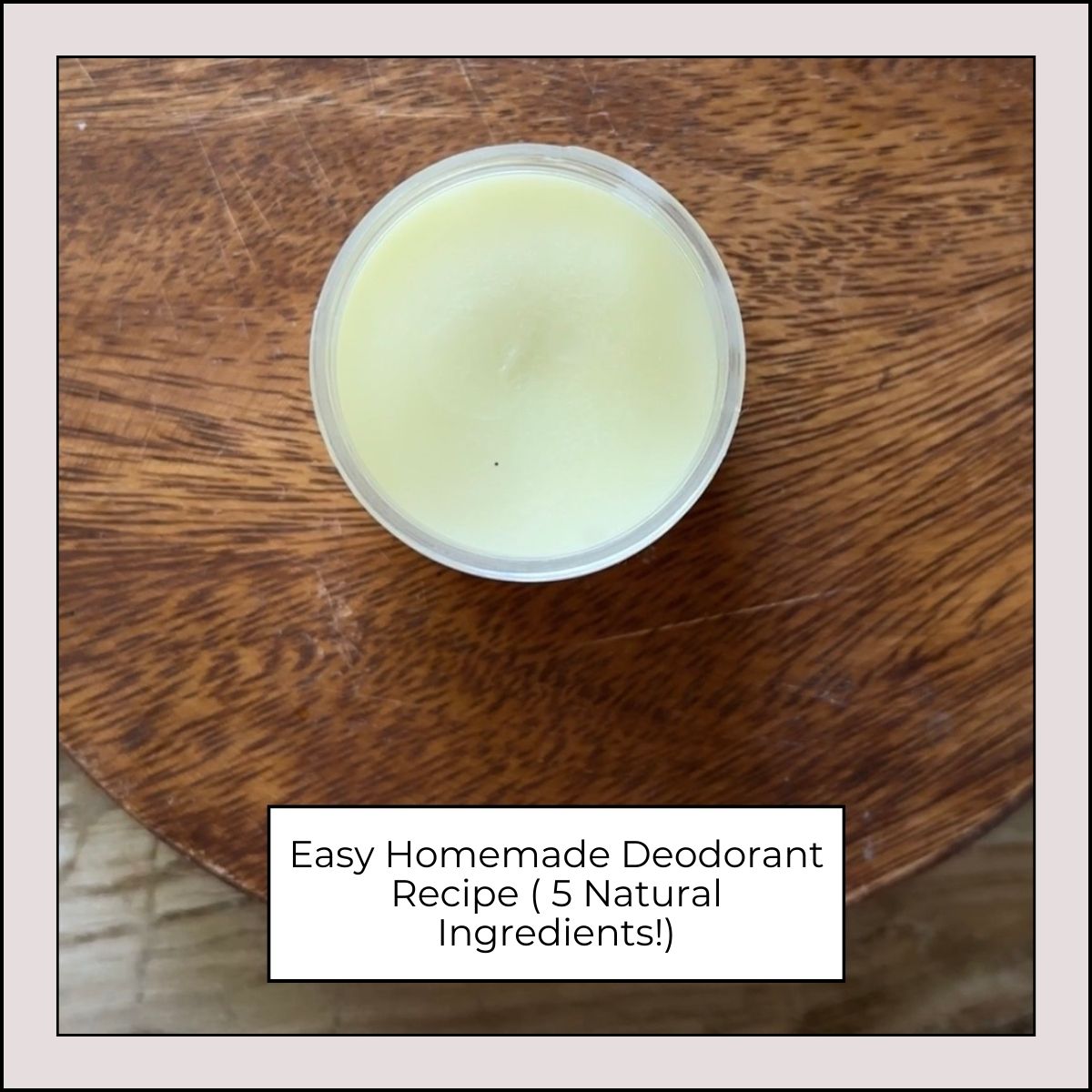
If you’re happy with your current deodorant and it works great, there’s no rule that says you have to switch. But if you’ve been curious about making your own (or you’re side-eyeing the ingredient list on your store-bought stick), here are a few reasons people decide to try a natural, homemade deodorant recipe like this one.
1) You want more control over the ingredients
One of the biggest perks of DIY is simply knowing what’s going on your skin. This recipe uses a short list of familiar ingredients—shea butter, coconut oil, arrowroot powder, baking soda, and essential oils (optional)—instead of a long label you need a magnifying glass to read.
2) You’re trying to avoid certain additives or harmful ingredients
Some people switch because they prefer to avoid things like strong synthetic fragrances, dyes, or other fillers that can be irritating. With DIY, you can choose exactly what to include (and what to leave out), especially when it comes to scent.
Some deodorants also contain harmful ingredients such as parabens, aluminum compounds, phthalates, and triclosan which may cause not only irritation but may also disrupt hormones and other health risks.
3) It can be gentler for some skin types (and customizable for picky underarms)
Even though baking soda can be irritating for some, the good thing about homemade deodorant is you can adjust it. If your underarms are sensitive, you can reduce the baking soda, increase the arrowroot, or try a milder essential oil blend—or skip essential oils completely.
4) It’s budget-friendly in the long run
The upfront cost of ingredients can feel like more at first, but these items last a while. Once you have them, you can make multiple batches for the price of a few store-bought deodorants.
5) Less packaging waste
If you’re trying to cut down on plastic, making homemade deodorant can help. Reusing the same small jar or tin means fewer deodorant tubes in the trash over time.
6) It actually works for everyday life
This was my biggest hesitation. I truly thought I’d end up regretting it halfway through the day. But for normal, day-to-day activities, this recipe can do a solid job keeping odor under control—especially with baking soda doing the heavy lifting.
Deodorant vs. Antiperspirant (Quick Reality Check)
This matters because a lot of DIY disappointment comes from mismatched expectations.
- Deodorant helps control odor (mostly by reducing bacteria and absorbing moisture).
- Antiperspirant reduces sweat (usually with aluminum-based ingredients).
This recipe is a deodorant, not an antiperspirant. You may still sweat—especially in humidity, during workouts, or during the “why is it so hot just walking to the mailbox?” season. The goal here is to feel fresh, comfortable, and not smell like you ran a marathon… when you didn’t.
Why These Ingredients Work Together
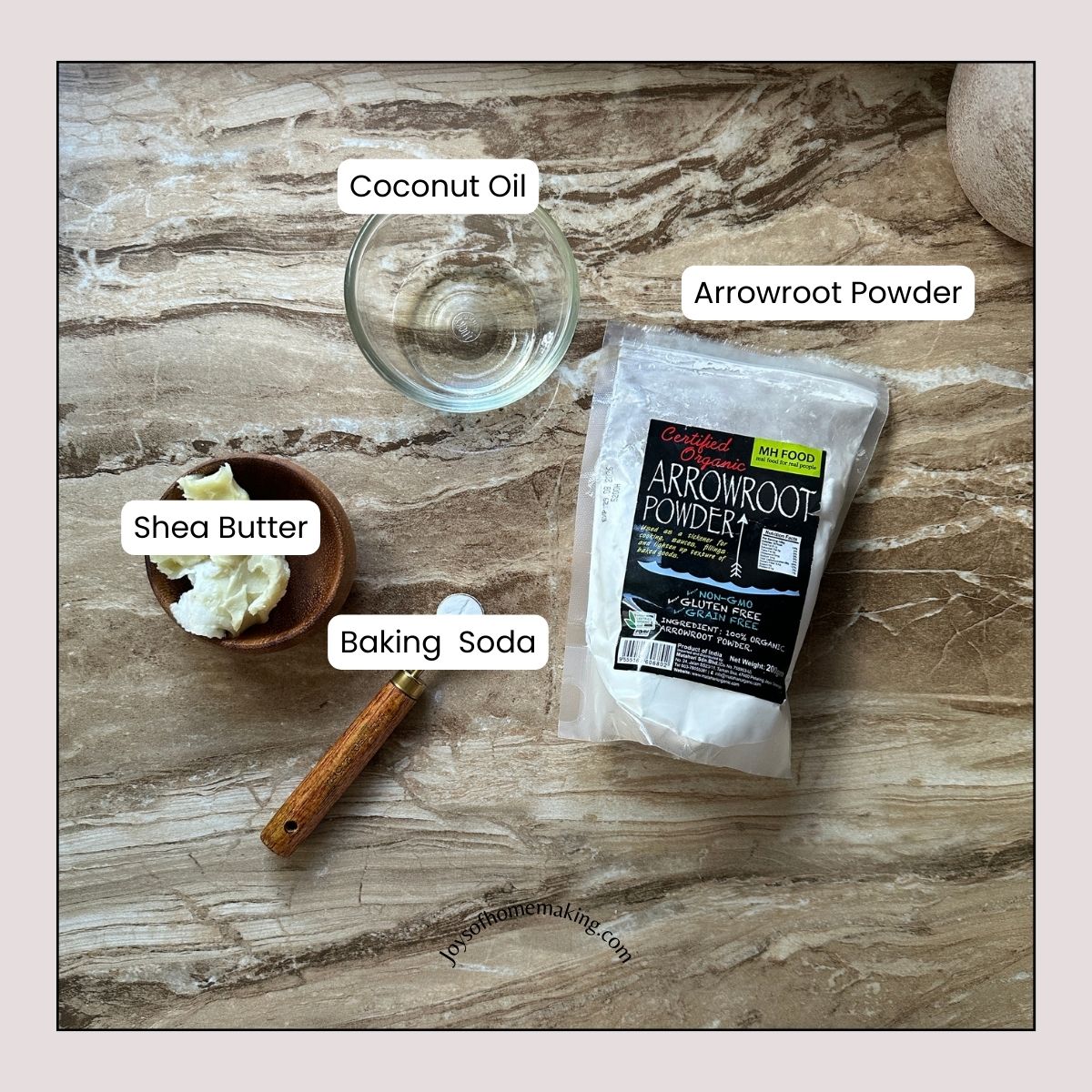
Shea Butter
Shea butter is the creamy base that makes this feel like a balm instead of gritty powder. It’s moisturizing and helps soothe the skin—especially if you shave.
Coconut Oil
Coconut oil is naturally antimicrobial for many people, meaning it can help cut down on odor-causing bacteria. It also helps the mixture glide on smoothly.
Arrowroot Powder
Arrowroot powder is the quiet hero here. It helps absorb moisture and gives the deodorant that “dry” finish so you’re not feeling greasy all day.
Baking Soda
Baking soda is the powerhouse deodorizing ingredient. It raises pH and helps neutralize odor—but it can be irritating for some skin types, so we’ll talk about that too.
Essential Oils (Optional)
Essential oils add scent and can also support odor control depending on what you use (like tea tree or lavender). You don’t need much.
These ingredients make a simple, effective formula without a long ingredient list or fancy equipment.
Homemade Deodorant Recipe (With Baking Soda + Essential Oils)
Ingredients
- 2 tablespoons shea butter
- 2 tablespoons coconut oil
- 3 tablespoons arrowroot powder
- 1 teaspoon baking soda
- 10–20 drops essential oils (see options below)
Optional add-in
- 1 teaspoon vitamin E oil (nice for skin feel; optional)
Equipment
- Small bowl
- Spoon or mini whisk
- Small jar or tin (2–4 oz)
Instructions
- Soften the base.
If your coconut oil and shea butter are solid, warm them just enough to mix. (Short microwave bursts or a bowl set over warm water works.) - Mix shea butter + coconut oil until smooth.
Stir until it looks creamy. - Add the powders.
Mix in the arrowroot powder and baking soda a little at a time to avoid clumps. Keep stirring until you get a thick paste. - Add essential oils.
Stir in 10–20 drops. Start with less if you’re sensitive. - Transfer to a jar.
Scoop into your container and let it set. If it’s too soft, chill it for 15–20 minutes.
Essential Oil Options (Simple Combos)
You can mix and match, but here are easy blends:
- Lavender + tea tree (classic “clean” scent)
- Lemon + lavender (fresh and bright—note: citrus oils can be irritating for some)
- Eucalyptus + peppermint (spa-like, strong—use fewer drops at first)
If you’ve never used essential oils on your skin before, patch test first.
Baking soda can irritate some people’s skin. If you’re sensitive, you may want to skip it entirely. That said, this DIY deodorant uses only 1 teaspoon of baking soda instead of 1 tablespoon, which can make it a gentler option.
How to Apply (So It Doesn’t Feel Greasy)
Use a small amount—seriously.
- Start with a pea-sized amount per armpit
- Rub it in until absorbed
- Let it sit for a minute before getting dressed
Using too much is usually what causes residue on clothing.
What to Expect When You Switch
If you’re coming from a strong commercial antiperspirant, your body may need a little time to adjust.
You might notice:
- a bit more sweat at first
- stronger odor for a short transition period
- then things level out
Not everyone experiences this, but it’s common enough to mention.
Here’s the honest breakdown:
- Morning: Smooth, moisturizing, and surprisingly “dry” after it settles.
- Midday: For most people, still fresh—especially for regular errands and daily life.
- High-sweat days: You might need a quick reapply. Not because it “failed,” but because it’s not blocking sweat the way antiperspirant does.
If you’re transitioning from strong antiperspirants, your body might also go through a short adjustment period where you feel sweatier or notice more odor for a bit. Some people experience none of that, some do—bodies are weird like that.
Troubleshooting + Adjustments
If your underarms get irritated
Baking soda is usually the culprit.
Try one of these:
- Reduce baking soda and increase arrowroot by 1 teaspoon
- Skip essential oils for a week and see if that helps
- Don’t apply right after shaving (or apply a much smaller amount)
If it’s too soft or melts
Add more arrowroot powder (1 teaspoon at a time) or store it somewhere cooler. I’d also recommend giving it at least a week—especially if this is your first batch. The first time I made it, the mixture felt a little greasy at first, but over time it seemed to settle and apply with more of a matte finish.
If it’s too hard
Warm it between your fingers before applying, or slightly increase coconut oil next batch.
If odor control isn’t strong enough
Increase baking soda slightly (if your skin can handle it) or use an essential oil like tea tree—still keeping total drops reasonable.
Storage Tips
Because coconut oil changes with temperature:
- In warm weather, this can soften or melt.
- In cool weather, it firms up.
A jar in a bathroom cabinet is usually fine. If your home runs hot, keep it in a cooler spot.
Frequently Asked Questions
Will this stain my clothes?
If you apply too much, it can leave residue—especially on dark or tight clothing. Apply a small amount and rub it in well. Let it absorb before dressing.
Can I use cornstarch instead of arrowroot?
Many people do, but arrowroot is often preferred because it’s finer and tends to feel less heavy. If cornstarch works for your skin, it’s an option.
Is coconut oil safe for everyone’s underarms?
Most people do fine, but some people are sensitive. If you notice bumps or clogged pores, reduce the coconut oil slightly and increase shea butter, or discontinue.
Can I add baking soda?
You can, but I’d only recommend it if you know your skin tolerates it. Baking soda can be very effective for odor, but it’s also a common cause of redness and rash in DIY deodorants.
How long is the shelf life of this homemade deodorant?
Typically a few months, depending on ingredient freshness and whether water gets introduced (avoid scooping with wet fingers).
My Honest Take
I went into this thinking it was going to be a cute Pinterest experiment that I’d abandon after one awkward day.
Instead, it turned into one of those simple homemade swaps that actually makes sense—especially if you like knowing exactly what’s in your products, you want something more moisturizing, or you’re trying to cut down on strong fragrances and additives.
Is it perfect? No. It won’t stop sweat the way antiperspirant does. But if your goal is to smell fresh, feel comfortable, and keep it simple, this shea butter + coconut oil + arrowroot powder combo is a solid place to start.
Did you enjoy this post? Pin this image below to Pinterest so you can easily find your way back to this post when you need it!