Hello, homemaker!
I am certainly not a dairy-making expert, and I do not have a family milk cow or a beautiful little homestead filled with goats. Most of the time, I simply work with milk and heavy cream from the grocery store. But since starting this blog, I have learned that there are so many dairy products we can make right in our own kitchens.
What started as curiosity slowly became part of my regular homemaking routine.
I wanted to reduce the number of unnecessary ingredients my family was eating. Some store-bought dairy products contain added sugars, artificial flavors, stabilizers, gums, preservatives, and other ingredients I would rather not use every day. Making them from scratch allows me to choose what goes into our food and adjust each recipe to suit my family.
I have now made sour cream, whipped cream, coffee creamer, cheese, buttermilk, yogurt, ice cream, frozen yogurt at home, and more. Some of these recipes take only a few minutes, while others require a little patience as they culture or chill.
None of them require you to be an expert.
If you are interested in becoming a little more self-sufficient, reducing processed foods, or simply learning a useful new homemaking skill, these homemade dairy products are a wonderful place to begin.

Why Make Dairy Products at Home?
Making dairy products at home may sound complicated, but many recipes are surprisingly simple. In some cases, you only need two or three ingredients.
Here are a few reasons I enjoy making them from scratch.
You Control the Ingredients
One of the greatest benefits of homemade food is knowing exactly what is in it.
You can choose the type of milk, cream, sweetener, flavoring, or culture you want to use. You can also leave out artificial flavors, excess sugar, and ingredients your family may be sensitive to.
You Can Adjust the Flavor
Homemade dairy products are easy to customize.
You can make your yogurt more or less tangy, sweeten your whipped cream lightly, add vanilla to your coffee creamer, or turn plain frozen yogurt into a fruit-filled treat.
You Learn Valuable Homemaking Skills
There is something deeply satisfying about learning how everyday foods are made.
You may begin with a small batch of whipped cream and eventually feel confident enough to make yogurt, cheese, or cultured sour cream. Each project teaches you something new and helps you become more comfortable working from scratch.
Homemade Often Tastes Better
Freshly whipped cream, warm homemade cheese, and thick homemade yogurt have a flavor and texture that can be difficult to find in store-bought versions.
Even when the homemade version is not exactly the same as what comes in a package, it is often fresher, simpler, and more satisfying.
1. Homemade Sour Cream

Homemade sour cream is one of my favorite dairy projects because it feels impressive but is actually very easy to make.
Traditional sour cream is made by culturing cream with beneficial bacteria. As the cream sits, it thickens and develops its familiar tangy flavor.
Depending on the recipe you use, you may make sour cream with heavy cream and a small amount of cultured buttermilk, yogurt, or another starter. After mixing the ingredients, you allow the cream to culture until it reaches the flavor and thickness you prefer. Check out how I make sour cream here.
Homemade sour cream can be used for:
- Tacos and nachos
- Baked potatoes
- Salad dressings
- Dips
- Cakes and baked goods
- Creamy sauces
- Soups and casseroles
It may be a little thinner than some commercial sour cream because it does not contain added thickeners. Chilling it in the refrigerator usually helps it become thicker.
This is a wonderful recipe to try when you have extra heavy cream that needs to be used.
2. Homemade Whipped Cream
Whipped cream is probably one of the easiest dairy products you can make at home.
All you really need is cold heavy whipping cream. You may also add a little sugar and vanilla, but those are completely optional.
Pour the cold cream into a bowl and beat it until soft or stiff peaks form, depending on how you plan to use it. Be careful not to keep mixing for too long, or the cream will eventually begin turning into butter.
Homemade whipped cream is lovely on:
- Pies
- Cakes
- Pancakes
- Hot chocolate
- Fresh fruit
- Ice cream
- Coffee
- Waffles
Store-bought whipped toppings may contain oils, syrups, stabilizers, and artificial flavoring. Homemade whipped cream is simply fresh cream with as much or as little sweetness as you like.
It only takes a few minutes, making it a perfect first dairy project for beginners.
3. Homemade Coffee Creamer
As someone who loves a warm cup of coffee, learning to make coffee creamer at home was an easy and practical homemaking project.
Many flavored coffee creamers contain a long list of ingredients. When you make your own, you can keep it as simple as milk, cream, and a natural sweetener.
You can create different flavors using ingredients such as:
- Vanilla extract
- Cinnamon
- Cocoa powder
- Maple syrup
- Honey
- Caramel sauce
- Pumpkin spice
- Coconut milk
For a simple creamer, combine milk and heavy cream in the proportions you enjoy. Add a little vanilla or sweetener, pour it into a clean jar, and keep it refrigerated.
Homemade coffee creamer will not usually last as long as the commercial kind because it does not contain preservatives. I prefer to make a smaller batch that we can use within several days.
Give the jar a gentle shake before pouring it into your coffee, especially if you have added spices or cocoa.
4. Easy Homemade Cheese
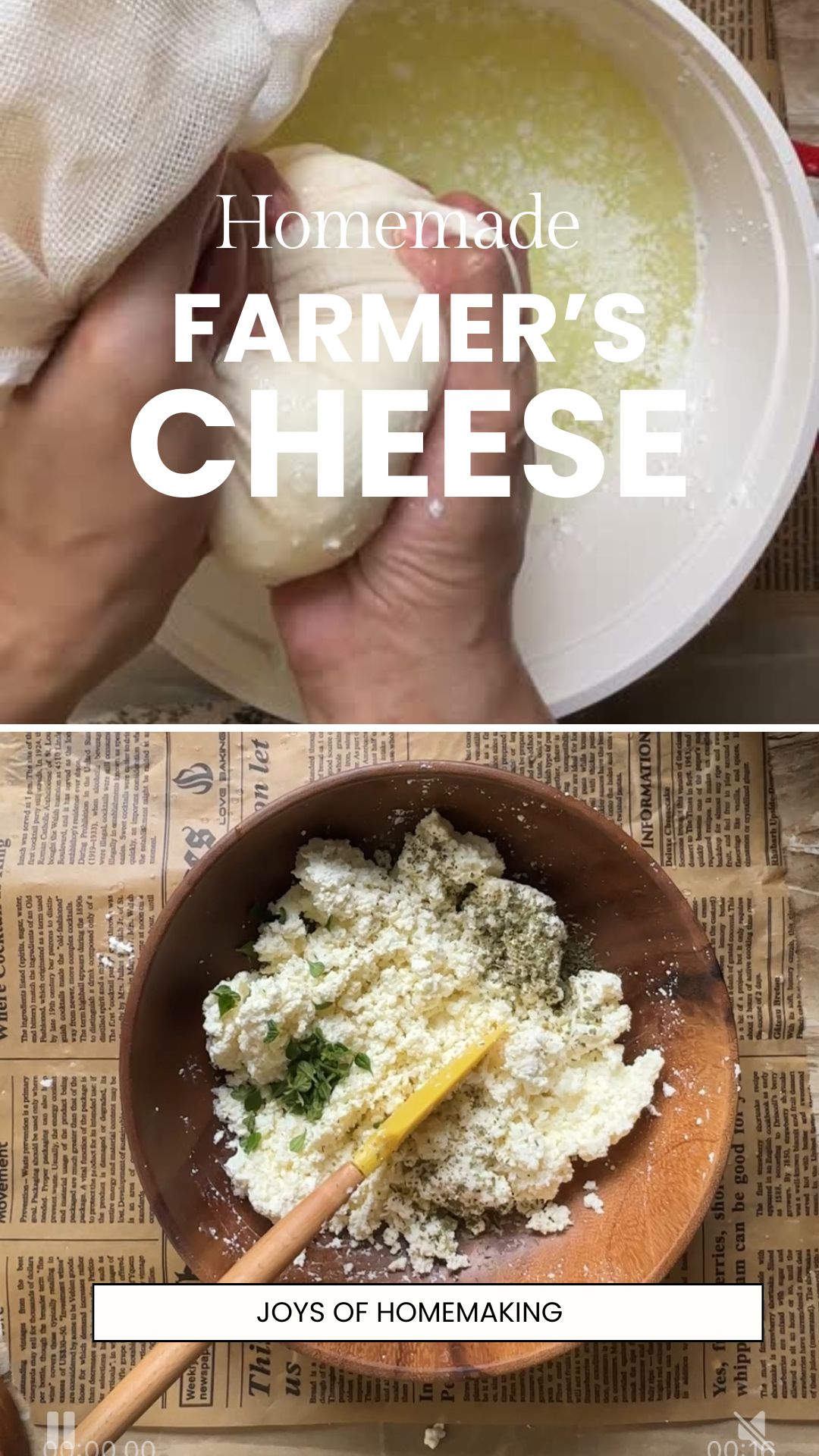
Cheese-making can be a complicated art, but not every type of cheese requires special equipment or months of aging.
Fresh farmer’s cheese is a wonderful place to begin. It can be made by heating milk and adding an acid such as lemon juice or vinegar. The acid causes the milk to separate into curds and whey.
The curds are then strained through cheesecloth or a clean kitchen towel. You can leave the cheese soft and creamy or press it longer for a firmer texture.
Homemade farmer’s cheese can be used in:
- Salads
- Sandwiches
- Pasta dishes
- Toast
- Desserts
- Dips
- Stuffed breads
- Savory fillings
You can season it with salt, herbs, garlic, pepper, or even a little honey.
This simple cheese is a great introduction to the basic process of separating curds from whey. It is also a useful recipe when you have milk that needs to be used soon.
Do not throw away the leftover whey. It can be added to bread dough, pancakes, soups, smoothies, or other recipes.
5. Homemade Buttermilk
There are a few different products that people call buttermilk.
Traditional buttermilk is the liquid left behind after cream is churned into butter. If you make homemade butter from heavy cream, you will naturally end up with fresh buttermilk as a useful by-product.
Cultured buttermilk, which is commonly sold in grocery stores, is made by adding beneficial cultures to milk. It has a thicker texture and a tangy flavor.
There are also quick buttermilk substitutes made by combining milk with lemon juice or vinegar.
Buttermilk can be used for:
- Pancakes
- Biscuits
- Cakes
- Cornbread
- Fried chicken
- Salad dressing
- Marinades
- Bread
Its acidity helps tenderize baked goods and gives recipes a pleasant tang.
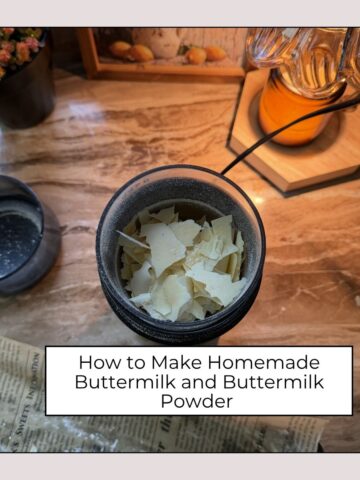
When I make butter from heavy whipping cream, I love knowing that I am getting more than one homemade food from the same ingredient. I can make butter and then save the remaining buttermilk for baking or turn it into buttermilk powder for longer storage.
6. Homemade Yogurt
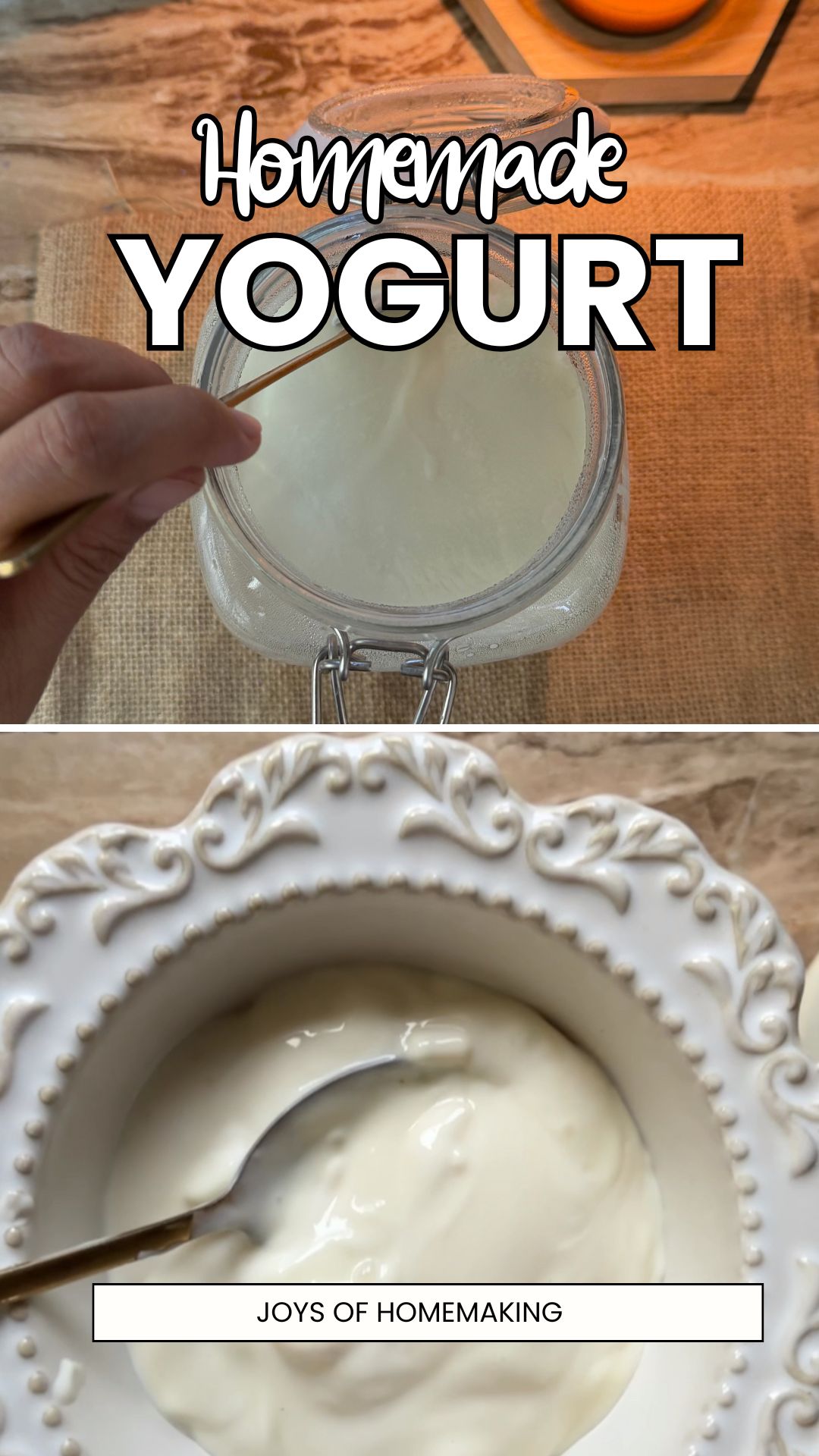
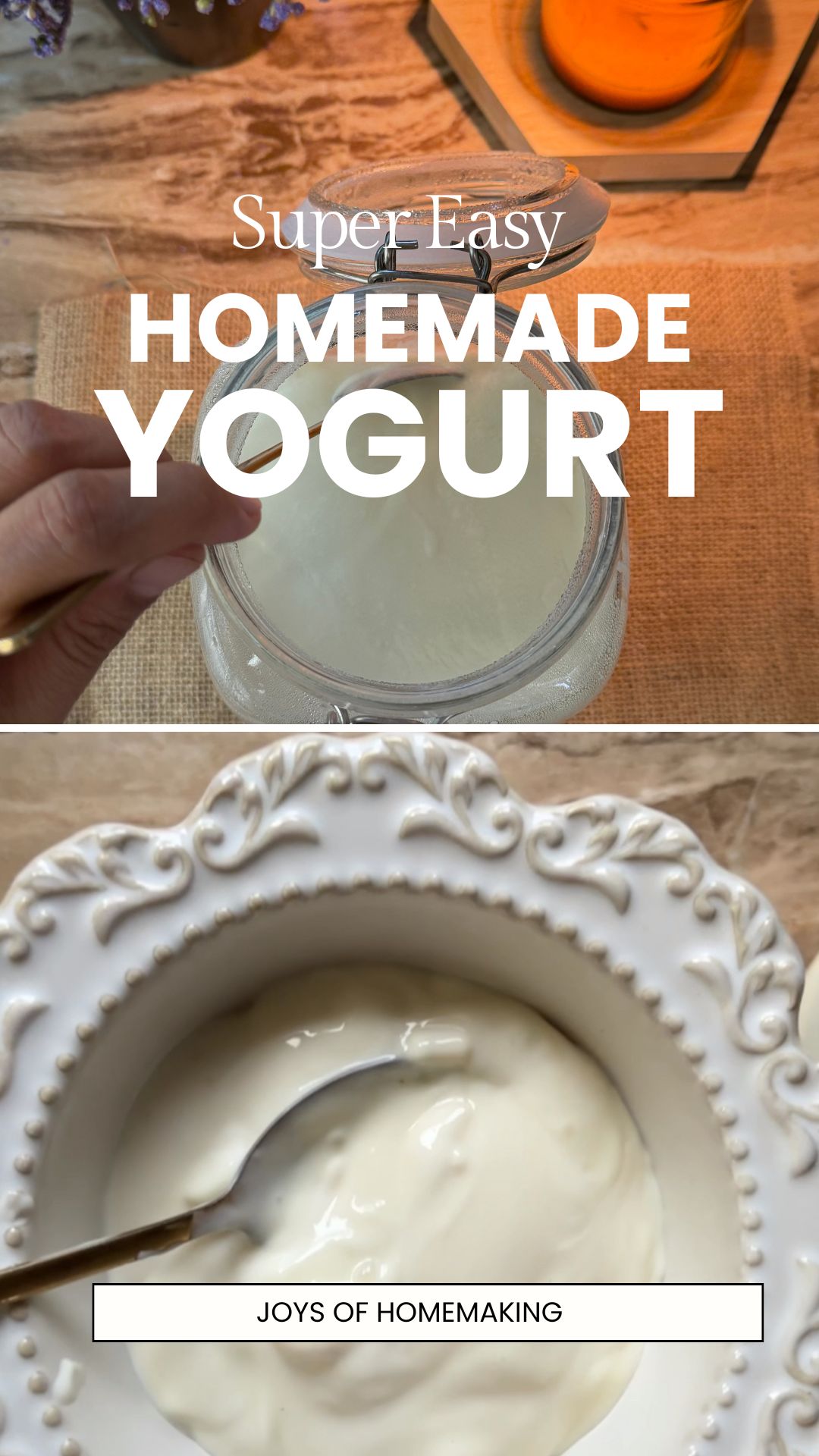
Homemade yogurt is one of the most useful dairy products you can learn to make.
We almost always have yogurt in our refrigerator because it can be used in so many ways. It makes an easy breakfast, snack, dessert, sauce, marinade, or smoothie ingredient.
To make yogurt, milk is gently heated, cooled to the correct temperature, and mixed with a small amount of plain yogurt containing live active cultures. The mixture is then kept warm for several hours while the cultures ferment the milk. Check out how I make homemade yogurt here.
The longer the yogurt cultures, the tangier it usually becomes.
Once the yogurt is finished, you can eat it plain or add:
- Honey
- Fresh fruit
- Homemade jam
- Granola
- Vanilla
- Cinnamon
- Chia seeds
- Maple syrup
You can also strain homemade yogurt to remove some of the whey and create a thicker Greek-style yogurt.
Save a few spoonfuls of plain yogurt from each batch to use as the starter for your next one. Over time, you may need to begin again with fresh store-bought yogurt or a new starter if your batches stop thickening properly.
Yogurt takes more time than whipped cream or coffee creamer, but most of that time is simply waiting. Once you become familiar with the process, it can easily become part of your weekly kitchen routine.
7. Homemade Ice Cream
Homemade ice cream is a fun dairy project, especially when you want a simple treat made with familiar ingredients.
An ice cream maker is helpful, but it is not always necessary. There are many no-churn ice cream recipes that use whipped cream as the base.
You can make basic vanilla ice cream and then add your favorite ingredients, such as:
- Chocolate
- Strawberries
- Mangoes
- Bananas
- Cookies
- Nuts
- Caramel
- Peanut butter
- Homemade fruit preserves
Making ice cream at home lets you control how sweet it is. You can also experiment with seasonal fruit and flavors that may not be available at the store.
The texture of homemade ice cream may be different from commercial ice cream because it does not contain the same stabilizers and emulsifiers. Allowing it to sit at room temperature for a few minutes before scooping usually helps soften it.
Homemade ice cream is also a lovely kitchen activity to do with children. They can help choose the flavors, mix in the additions, and patiently check the freezer until it is ready.
8. Homemade Frozen Yogurt
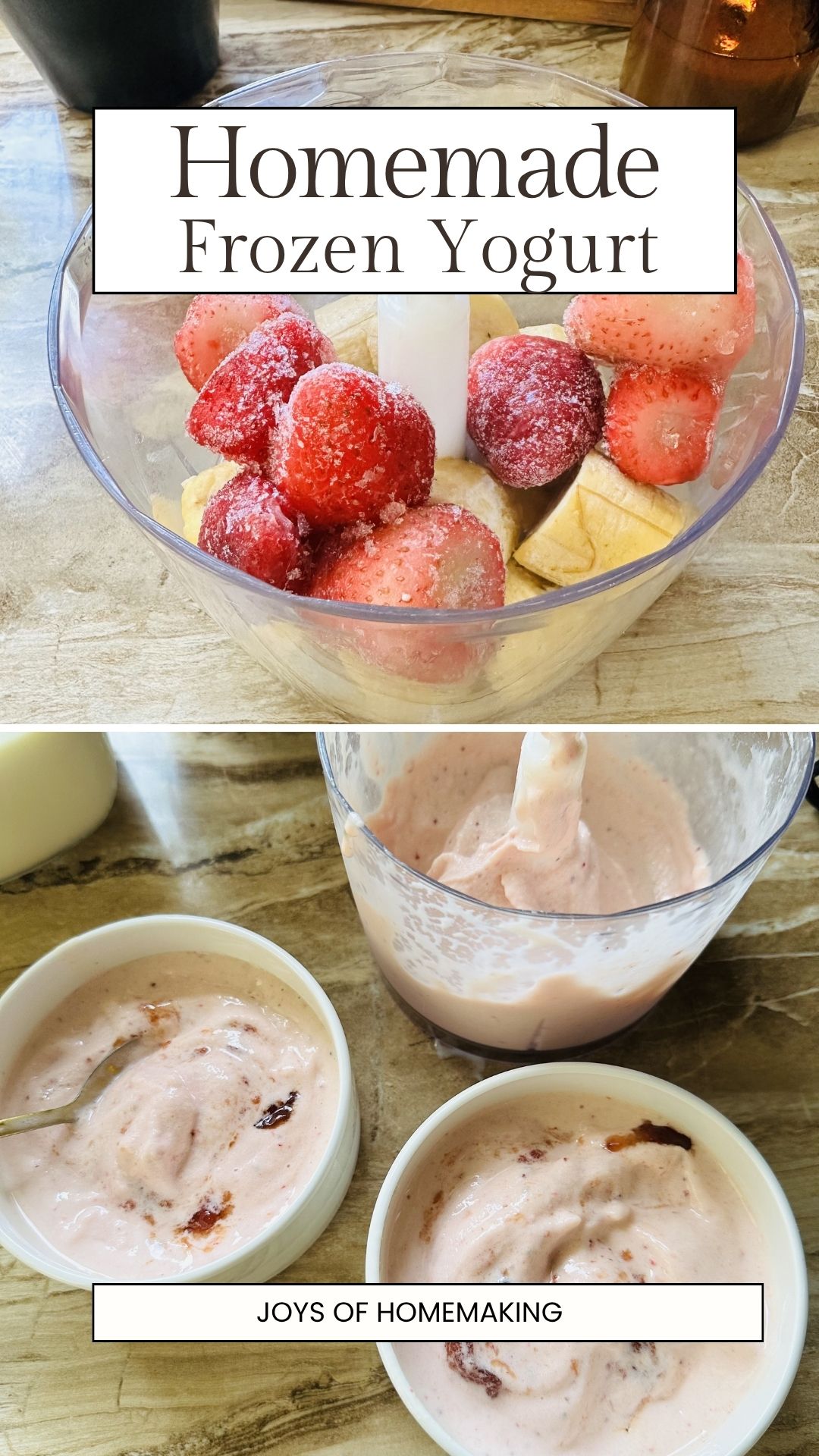
Frozen yogurt is one of our favorite ways to turn homemade yogurt into a simple dessert.
You can make it with plain yogurt, a little sweetener, and fruit. Blend everything together and freeze it until firm.
Some easy flavor ideas include:
- Strawberry frozen yogurt
- Mango frozen yogurt
- Blueberry frozen yogurt
- Banana frozen yogurt
- Chocolate frozen yogurt
- Peach frozen yogurt
- Honey and vanilla frozen yogurt
Full-fat yogurt usually creates a creamier result. Greek yogurt also works well because it contains less liquid.
Homemade frozen yogurt can become quite firm in the freezer, especially when it contains less sugar. Let it soften on the counter for several minutes before serving.
For a quicker treat, blend frozen fruit with yogurt and serve it immediately as a soft frozen dessert.
This is a wonderful way to use extra yogurt or fruit that is beginning to become too ripe.
9. Homemade Butter
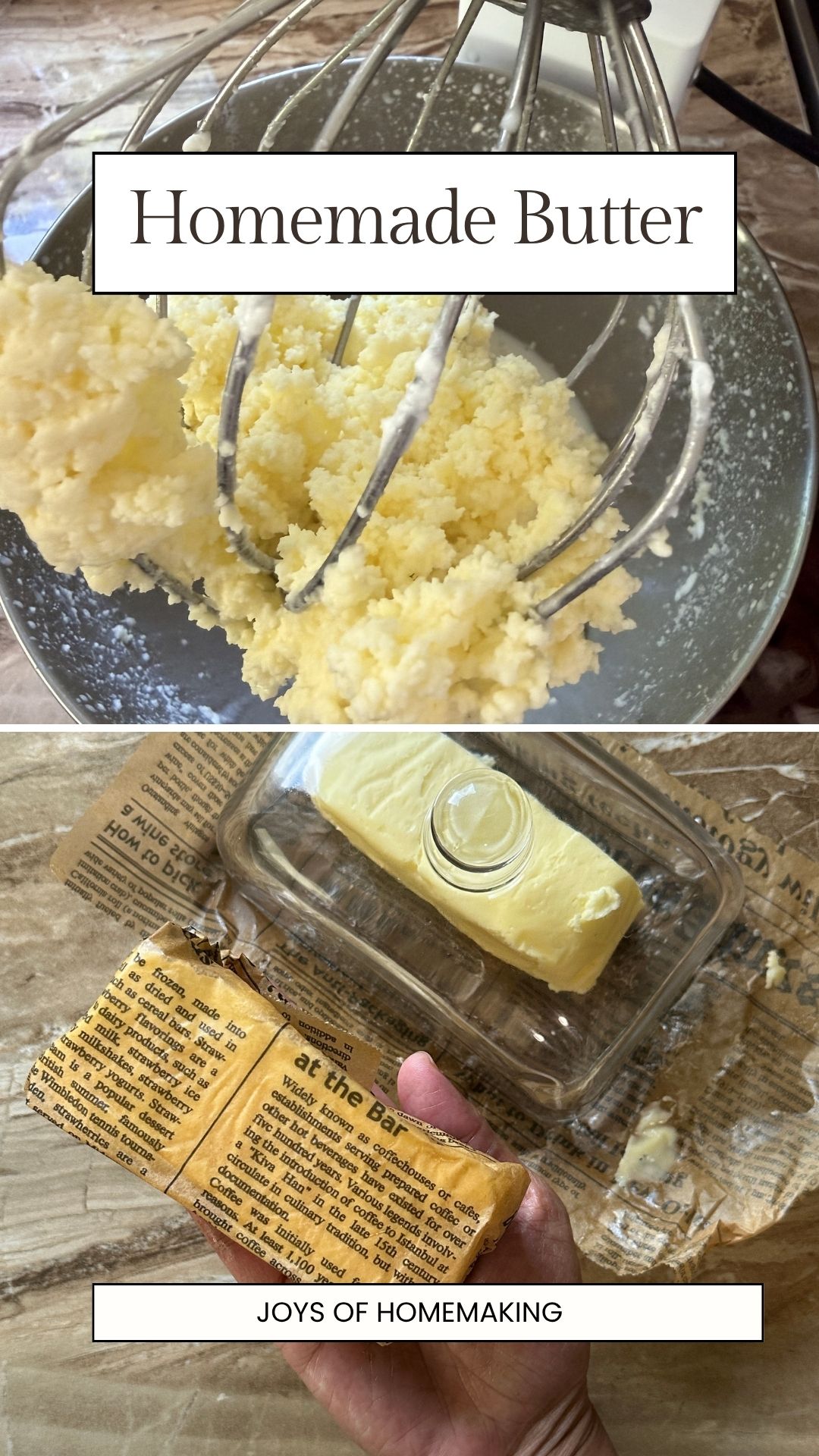
Homemade butter is one of the most satisfying dairy products you can make, especially because the process is so simple.
All you need is heavy whipping cream and a mixer, blender, food processor, or even a jar with a tight-fitting lid. As you continue whipping the cream past the whipped-cream stage, the fat begins to separate from the liquid.
The solid portion becomes butter, while the liquid left behind is traditional buttermilk.
Once the butter has separated, rinse it thoroughly with cold water and press out as much liquid as possible. Removing the leftover buttermilk helps the butter stay fresh longer.
You can leave it unsalted or mix in a little salt. You can also make flavored butter using ingredients such as:
- Fresh or dried herbs
- Garlic
- Honey
- Cinnamon
- Lemon zest
- Roasted garlic
- Honey Cranberry
- Black pepper
Homemade butter is wonderful for spreading on fresh bread, cooking, baking, or melting over vegetables.
I especially love that making butter gives me two useful products from one carton of cream: fresh butter and buttermilk.
10. Homemade Ghee
Ghee is another useful dairy product you can make from butter.
It is prepared by gently heating butter until the water evaporates and the milk solids separate from the butterfat. The clear golden fat is then strained and stored in a clean jar.
Ghee has a rich, slightly nutty flavor and can be used for:
- Frying eggs
- Sautéing vegetables
- Cooking meat
- Roasting potatoes
- Adding flavor to rice
- Brushing onto homemade bread
Because most of the water and milk solids have been removed, ghee can often be used for higher-temperature cooking than regular butter.
Making ghee is also a practical way to preserve butter for longer. However, it is still important to use clean, dry utensils and store it properly.
For beginners, the most important thing is to heat the butter gently. Cooking it too quickly can burn the milk solids and give the ghee a bitter flavor.
11. Homemade Cream Cheese
Cream cheese may sound difficult to make, but simple homemade versions can be surprisingly approachable.
One beginner-friendly method is to strain full-fat yogurt until much of the whey has drained away. The result is a thick, creamy spread similar to labneh or soft cream cheese.
Place the yogurt in a cheesecloth-lined strainer and allow it to drain in the refrigerator. The longer it drains, the thicker it becomes.
Once thickened, you can season it with:
- Salt
- Garlic
- Fresh herbs
- Honey
- Fruit preserves
- Cinnamon
- Chopped green onions
Use homemade cream cheese on toast, bagels, crackers, sandwiches, or as a base for dips and desserts.
A more traditional cream cheese can also be made using milk, cream, and a starter culture, but strained yogurt is often the easiest place for a beginner to start.
Do not discard the whey that drains from the yogurt. Save it for smoothies, pancakes, bread dough, marinades, or soups.
12. Homemade Cottage Cheese
Cottage cheese is another simple fresh cheese that you can make without aging or complicated equipment.
Milk is gently heated and combined with an acidic ingredient or cheese-making culture. As the curds form, they are separated from the whey and drained.
Unlike firm farmer’s cheese, cottage cheese is usually left in small, soft curds. A little cream or milk can be stirred back into the drained curds to create its familiar creamy texture.
Cottage cheese can be enjoyed with:
- Fresh fruit
- Honey
- Tomatoes
- Cucumbers
- Herbs
- Black pepper
- Toast
- Salads
It can also be blended into dips, pancake batter, pasta fillings, and creamy sauces.
The homemade version may not look exactly like store-bought cottage cheese, but it can still be fresh, mild, and delicious.
13. Homemade Mozzarella
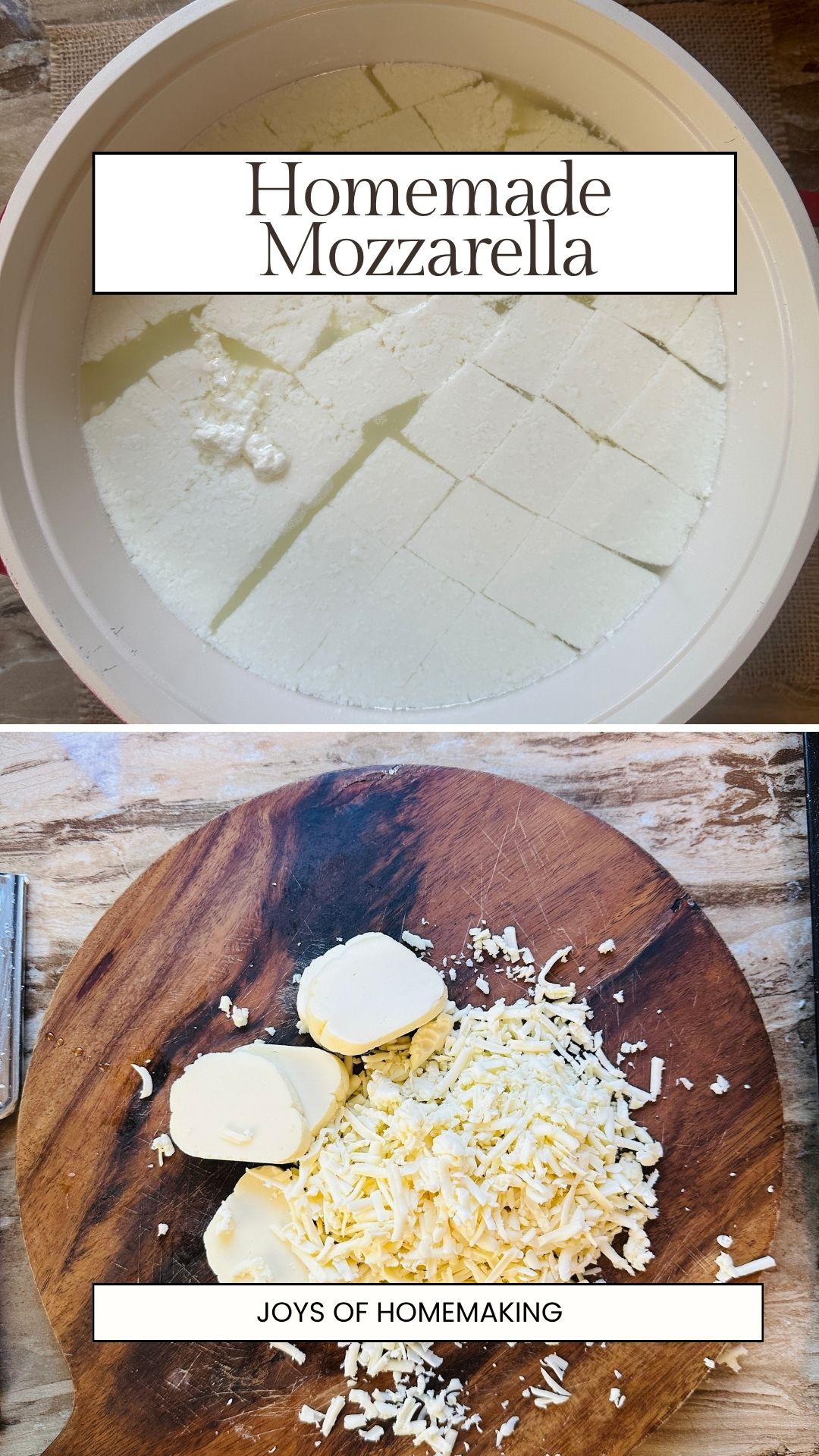
Mozzarella is a slightly more advanced project, but there are beginner-friendly recipes that allow you to make fresh cheese at home in a relatively short amount of time.
Traditional mozzarella is made by heating milk, adding a culture or acid, and using rennet to form curds. The curds are cut, heated, drained, and stretched until they become smooth and elastic. Here's how I make it.
Fresh mozzarella can be used for:
- Homemade pizza
- Caprese salad
- Sandwiches
- Pasta
- Toast
- Baked dishes
Cheese-making results can vary depending on the milk you use. Some highly processed or ultra-pasteurized milk may not form strong curds, so check your recipe before choosing your milk.
Mozzarella may take a little practice, and your first batch may not be perfect. That is all part of learning.
Even when the texture is not exactly like store-bought mozzarella, the cheese can often still be crumbled and used on pizza or in pasta dishes.
14. Homemade Milk Kefir
Milk kefir is a cultured dairy drink made by fermenting milk with kefir grains.
The grains are not actually cereal grains. They are clusters of beneficial bacteria and yeast that culture the milk, giving it a tangy flavor and a consistency that can range from drinkable to thick and creamy.
To make kefir, add kefir grains to milk and leave the mixture to culture. Once it reaches the flavor and thickness you prefer, strain out the grains and use them to begin another batch.
Kefir can be enjoyed plain or blended with:
- Bananas
- Berries
- Mangoes
- Honey
- Vanilla
- Cocoa powder
- Cinnamon
It can also be used in smoothies, salad dressings, marinades, pancakes, and baked goods.
Kefir is an ongoing homemade project because the grains can be reused. Once you establish a routine, you can make fresh batches regularly.
Always use clean equipment and follow reliable instructions for handling and storing your kefir grains.
15. Homemade Sweetened Condensed Milk
Sweetened condensed milk is used in many desserts, drinks, and baked goods, and you can make a simple version at home.
It is typically made by gently cooking milk and sugar until some of the water evaporates and the mixture becomes thick and concentrated.
Some quicker recipes use milk powder, butter, sugar, and hot water. While this is not made in the traditional way, it can be a helpful substitute when you need condensed milk for a recipe.
Homemade condensed milk can be used for:
- Coffee
- Ice cream
- Pies
- Cakes
- Fudge
- Fruit desserts
- Homemade caramel
- Sweet breads
Because it contains a considerable amount of sugar, this is more of an occasional treat than an everyday dairy staple.
Keep in mind that homemade condensed milk does not have the same shelf life as commercially canned condensed milk. Store it in the refrigerator and use it within the timeframe recommended by the recipe you follow.
16. Homemade Evaporated Milk
Evaporated milk is simply milk that has been gently cooked until much of its water content has evaporated.
It has a creamier texture and more concentrated milk flavor than ordinary milk, making it useful in soups, sauces, desserts, coffee, and baked goods.
To make it at home, simmer milk gently in a wide, heavy-bottomed pan. Stir it regularly to keep it from scorching or developing a thick layer on the bottom.
Once the milk has reduced to the amount specified in your recipe, allow it to cool and transfer it to a clean container.
Homemade evaporated milk can be used in:
- Creamy soups
- Mashed potatoes
- Macaroni and cheese
- Custards
- Pies
- Coffee
- Sauces
- Bread recipes
The process takes patience, but it requires only one ingredient.
Unlike unopened canned evaporated milk, the homemade version is perishable. Keep it refrigerated and use it promptly.
Beginner Tips for Making Dairy Products at Home
Start With Fresh Ingredients
Fresh milk and cream will usually give you the best flavor and the longest storage time.
Keep Your Equipment Clean
Wash jars, bowls, spoons, strainers, and other tools thoroughly before beginning. This is especially important when making cultured dairy products.
Pay Attention to Temperature
Temperature is important when making yogurt, cheese, and other cultured products. Milk that is too hot can damage the cultures, while milk that is too cool may not culture properly.
Make Small Batches
Homemade dairy products do not contain the same preservatives as many commercial products. Until you know how quickly your family will use them, start with a small batch.
Label and Date Everything
Write the name of the product and the date it was made on the jar or container. This simple habit makes refrigerator storage much easier.
Trust Your Senses
If a dairy product develops an unusual color, odor, texture, or signs of mold, it is safest to discard it. When you are uncertain, do not taste it to check.
Making the Most of Milk and Heavy Cream
One of the things I love most about learning these skills is discovering how one ingredient can be used in several different ways.
A carton of heavy cream can become whipped cream, coffee creamer, sour cream, ice cream, or even butter and buttermilk.
Milk can become yogurt, cheese, cultured buttermilk, frozen yogurt, or a creamy dessert.
This helps me become more intentional about what I buy. Instead of seeing milk and cream as single-purpose ingredients, I now see them as the beginning of many different homemade foods.
You do not need a perfect homestead, a milk cow, or years of experience to begin. You can start right where you are, with the ingredients and tools already available to you.
Also, you do not need to make everything at once.
Begin with the dairy product your family already uses most often. This makes the project practical and gives you a better chance of continuing to make it.